


-

Add: HeBei ShengShi HongBang Cellulose Technology CO.,LTD.
-

Email
13180486930@163.com -

CONTACT US
+86 13180486930



Hydroxypropyl starch phosphate is an increasingly popular ingredient in skincare products , and for good reason. This innovative compound combines natural starch with phosphate to enhance its functionality and benefit a myriad of skin types. Its rise in popularity is not just a fad; it's rooted in solid science and consumer experience. Derived primarily from natural sources like corn or potatoes, hydroxypropyl starch phosphate offers several advantages that align seamlessly with the needs of both consumers and formulators. Fundamentally, it serves as an exceptional texture enhancer in creams, lotions, and serums. Unlike traditional thickeners, it provides a silky-smooth finish that is often sought after in high-end skincare products. This means when applied, products feel luxurious and pampering, creating an indulgent experience that consumers love. In addition to texture enhancement, hydroxypropyl starch phosphate plays a crucial role in stabilizing emulsions, ensuring that oil and water components in skincare formulations do not separate over time. This stability is particularly important for multi-ingredient complex formulations, allowing active ingredients to remain evenly distributed, thus maximizing efficacy. Stability also translates to an extended shelf life, which is a significant consideration for both consumers and retail outlets. From a dermatological perspective, hydroxypropyl starch phosphate is non-irritating and safe for sensitive skin. Unlike some chemical thickeners and stabilizers, this starch derivative does not clog pores, making it an excellent choice for formulations targeted at acne-prone or reactive skin. Its ability to absorb excess oil without stripping the skin of essential moisture is another notable feature, making it suitable for oily skin types while maintaining a balance that is gentle enough for drier skin. Expertise in skincare formulation reveals that hydroxypropyl starch phosphate also aids in enhancing the delivery of active ingredients. Due to its molecular structure, it can help convey moisture deeper into the skin layers, optimizing the hydration properties of a product. This translates to improved performance of active ingredients, whether they are anti-aging, brightening, or soothing components. hydroxypropyl starch phosphate in skin care In the realm of experience, numerous skincare enthusiasts have praised products containing hydroxypropyl starch phosphate for their lightweight feel and non-greasy finish. These products tend to absorb quickly into the skin, leaving behind a velvety finish that preps the skin beautifully for makeup application or simply for a bare-skin glow. The real-life testimonials stand as a testament to the compound’s capabilities, further increasing its credibility among users who prioritize both efficacy and experience in their skincare regime. Authoritative research backs the safety and efficacy of hydroxypropyl starch phosphate, with numerous studies confirming its hypoallergenic properties and performance in enhancing skin feel and formulation stability. Regulatory bodies have approved its use globally, a mark of trust that allows consumers and formulators to incorporate this ingredient without reservation. The endorsement by dermatologists and skincare professionals further solidifies its standing in the industry, adding a layer of trustworthiness to its growing reputation. For a more sustainable approach to skincare, many conscious consumers will appreciate that hydroxypropyl starch phosphate is biodegradable. Derived from renewable resources, it aligns with the increasing demand for environmentally friendly beauty products. As the beauty industry progresses towards more sustainable practices, ingredients like hydroxypropyl starch phosphate not only meet the crucial functionality required by modern skincare but also support a sustainable future. Consumers keen on elevating their skincare routine should look for this innovative ingredient in their products. Brands that incorporate hydroxypropyl starch phosphate often showcase transparency and a commitment to quality, understanding the complex needs of today’s diverse skincare audience. As the understanding of this ingredient continues to evolve, more skincare products are expected to leverage its multifaceted benefits, making it a staple in high-performance skincare formulations. In conclusion, hydroxypropyl starch phosphate is more than just a functional ingredient; it is a bridge between efficacy and indulgence, expertly tailored for modern skincare needs. From improving product stability to enhancing the user experience, it represents a sophisticated advancement in the formulation of skincare products. With an impressive balance of credibility and innovation, this ingredient is set to remain an influential component in skincare regimens worldwide.
- 40000tons

Production
- 20+years

Experience
- 5000+㎡

Acreage

-

Hydroxypropyl starch phosphate is rapidly gaining traction as a prominent ingredient in the food , pharmaceutical, and personal care industries. This innovative starch derivative is a testament to modern scientific advancements, transforming traditional starch-rich ingredients into more versatile solutions. This modified starch is created by treating regular starch with propylene oxide and phosphoric acid, resulting in a compound that boasts superior stability and functionality. Its primary application lies in its thickening, texturizing, and stabilizing properties, which cater to an array of product formulations across various sectors. In the food industry, hydroxypropyl starch phosphate is celebrated for its ability to enhance the texture and shelf-life of consumables. Its unique structure allows it to withstand processing conditions that might typically degrade regular starch, such as extreme temperatures or varying pH levels. This makes it an excellent choice for canned soups, sauces, and frozen desserts that require consistent quality over time. By resisting retrogradation, it ensures that products maintain their desired texture without becoming gritty or separating, offering a more satisfying experience to consumers. The pharmaceutical sector also benefits significantly from the incorporation of hydroxypropyl starch phosphate. It acts as an excipient, playing an essential role in drug formulation. It helps in the stabilization of active ingredients, ensuring that medications are effective throughout their shelf life. Additionally, its solubility and binding properties facilitate the creation of tablets and capsules that dissolve at the desired rate, optimizing drug delivery. Meanwhile, in personal care products, this starch derivative functions as a thickener and stabilizer in creams, lotions, and hair care items. Its ability to maintain viscosity, even in the presence of electrolytes common in such products, enhances the sensory experience of users, providing smooth application and consistent efficacy. hydroxypropyl starch phosphate From a professional standpoint, the incorporation of hydroxypropyl starch phosphate into products not only aligns with quality assurance standards but also meets the growing consumer demand for sustainable and efficacious ingredients. As manufacturers strive to develop goods that combine performance with eco-friendliness, this starch emerges as an ideal choice. It is derived from natural resources and can be tailored to have specific attributes that reduce the need for synthetic additives, thus offering an environmentally friendly alternative. When considering the regulatory landscape, hydroxypropyl starch phosphate has been deemed safe by food safety authorities, including the FDA and EFSA. It is important to note, however, that manufacturers must adhere to specific usage limits and purity criteria to ensure compliance and to harness its full benefits responsibly. The rise of hydroxypropyl starch phosphate is a testament to how innovation in starch modification can drive significant improvements in product performance across diverse applications. Its versatility, coupled with the ability to customize its properties, makes it an invaluable asset to those aspiring to push the boundaries of product development. Yet, while this ingredient shows immense potential, it is crucial to continue exploring its properties and capabilities through rigorous research and development. This ensures that industries remain at the forefront of discovery, consistently offering superior products that enhance consumer satisfaction and loyalty. By focusing on using hydroxypropyl starch phosphate in innovative ways, companies can lead the charge in developing cutting-edge products that meet the demands of modern consumers. It stands as a powerful tool in the arsenal of formulators looking to craft the next generation of high-quality, sustainable goods.
-
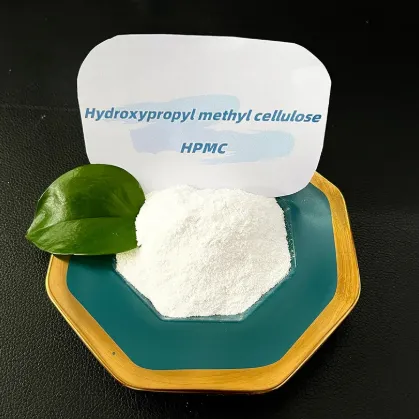
Hydroxypropyl methylcellulose (HPMC) has rapidly gained prominence in various industries due to its diverse applications, especially in products where pH levels are a critical factor. As a seasoned SEO specialist, understanding the nuances of HPMC's interaction with pH can immensely benefit your content strategies, particularly if your focus is on product-centric topics with a foundation in real-world expertise and authority. HPMC is a chemically modified cellulose derived from natural sources, predominantly used as an emulsifier, thickening agent, film former, and binder. A key attribute making HPMC invaluable is its stability across a broad range of pH levels. This stability is crucial for industries such as pharmaceuticals, construction, food processing, and personal care products. When discussing HPMC in the context of pH , it’s essential to highlight its exceptional performance in pharmaceutical formulations. In drug delivery systems, particularly controlled-release tablets, the pH stability of HPMC ensures consistent drug liberation irrespective of the varying pH conditions found within the human gastrointestinal tract. This consistent performance not only enhances therapeutic efficacy but also assures patients and healthcare providers of the dependability of the pharmaceutical product. In the realm of construction, HPMC contributes significantly as a critical component in dry mix mortars. The pH stability of HPMC ensures that the product can withstand the alkaline environment of cement and lime-based mixes, maintaining its functional properties such as water retention. Builders and engineers often rely on this characteristic, as it guarantees the durability and quality of the constructed infrastructure, especially in environments with fluctuating pH levels due to weather conditions or chemical exposures. hpmc ph Food processing industries also leverage the pH stability of HPMC. As a food additive, it acts as a stabilizer and emulsifier in various products, including sauces and dressings, where the pH can vary significantly. Its compatibility with different pH levels helps manufacturers maintain texture and stability, even in acidic or alkaline environments, boosting consumer trust in product consistency. Furthermore, in personal care products like shampoos and lotions, HPMC is prized for its ability to remain stable across different pH levels. This characteristic ensures that products retain their desired viscosity and consistency, delivering a consistent user experience. Formulation scientists often prioritize HPMC in product development due to its adaptability and reliable performance, which in turn fosters consumer confidence in the brand and product. Ensuring that content on HPMC and pH focuses on these real-world applications not only meets the criteria of expertise and authoritativeness but also bolsters trustworthiness. As consumers and industry professionals alike seek comprehensive and reliable information, the emphasis should be placed on drawing from empirical studies, case analyses, and testimonials from industry experts. This approach not only enhances the content’s SEO value but also solidifies the website’s reputation as a credible source of in-depth knowledge. Creating unique content that addresses the specifics of HPMC’s performance across various pH levels can set your website apart. Highlighting innovative uses, expert insights, and verified successes within different industries not only aligns with Google’s key metrics of Experience, Expertise, Authoritativeness, and Trustworthiness but also provides valuable, irreplaceable content for users seeking specialized knowledge.
advantages
-

200000 Viscosities
Excellent product
We can produce pure products up to 200,000 viscosities
-

40000 tons
High yield
We don’t stop production all year round, and the annual output can reach 40,000 tons
-

24 hours
Quality service
We provide 24-hours online reception service, welcome to consult at any time
———— Inquiry Form
Schedule A services


- nylon_is_artificial_fibre
Oct . 25, 2025
Hydroxypropyl methylcellulose (HPMC) is widely recognized in the realm of product formulation, parti -
 methyl_hydroxyethyl_cellulose_uses
Oct . 25, 2025
Understanding the nuances of HPMC enteric coating is crucial for anyone involved in pharmaceuticals, -
 hpmc_cas
Oct . 25, 2025
HPMC K 100 M, short for Hydroxypropyl Methylcellulose, is a versatile polymer widely used across ind


